Canopy Reduction That Keeps Your Trees Structurally Sound
Tree trimming in Elberfeld for hazard limbs, sight line clearance, and crown weight reduction
The dense, mature canopy on river-bottom properties in this region develops crowding problems that surface well before a limb actually fails. Dead wood accumulates in the interior, branches grow in conflict with rooflines and utility lines, and crown weight builds to a point where the tree becomes a liability rather than an asset. Latham's Tree Service LLC addresses these conditions through targeted trimming—removing what's hazardous or obstructive while leaving the tree's structural core intact. Properties around Chandler and Lynnville with established hardwoods are typical candidates for this kind of work.
The crew removes dead, crossing, or low-hanging limbs and thins crowded branches to reduce wind load and improve overall tree structure. Before cutting begins, you specify how much reduction you want and which sight lines or clearances matter most—whether that's clearance from a roofline, an outbuilding, a driveway, or a power line running through the canopy. Branches are chipped on-site or hauled away based on your preference.
Set up a walk-through of your property to identify which limbs need attention and establish the clearances you're working toward.
What Proper Trimming Requires and What You'll Notice After
Effective trimming isn't random reduction—it requires reading how weight is distributed across the crown and removing material in a sequence that keeps the tree balanced. Eliminating a large limb on one side without accounting for the remaining load can shift stress to weaker attachment points elsewhere in the canopy. The crew accounts for this by thinning proportionally, targeting crossing branches and crowded zones rather than simply cutting the most visible overhang.
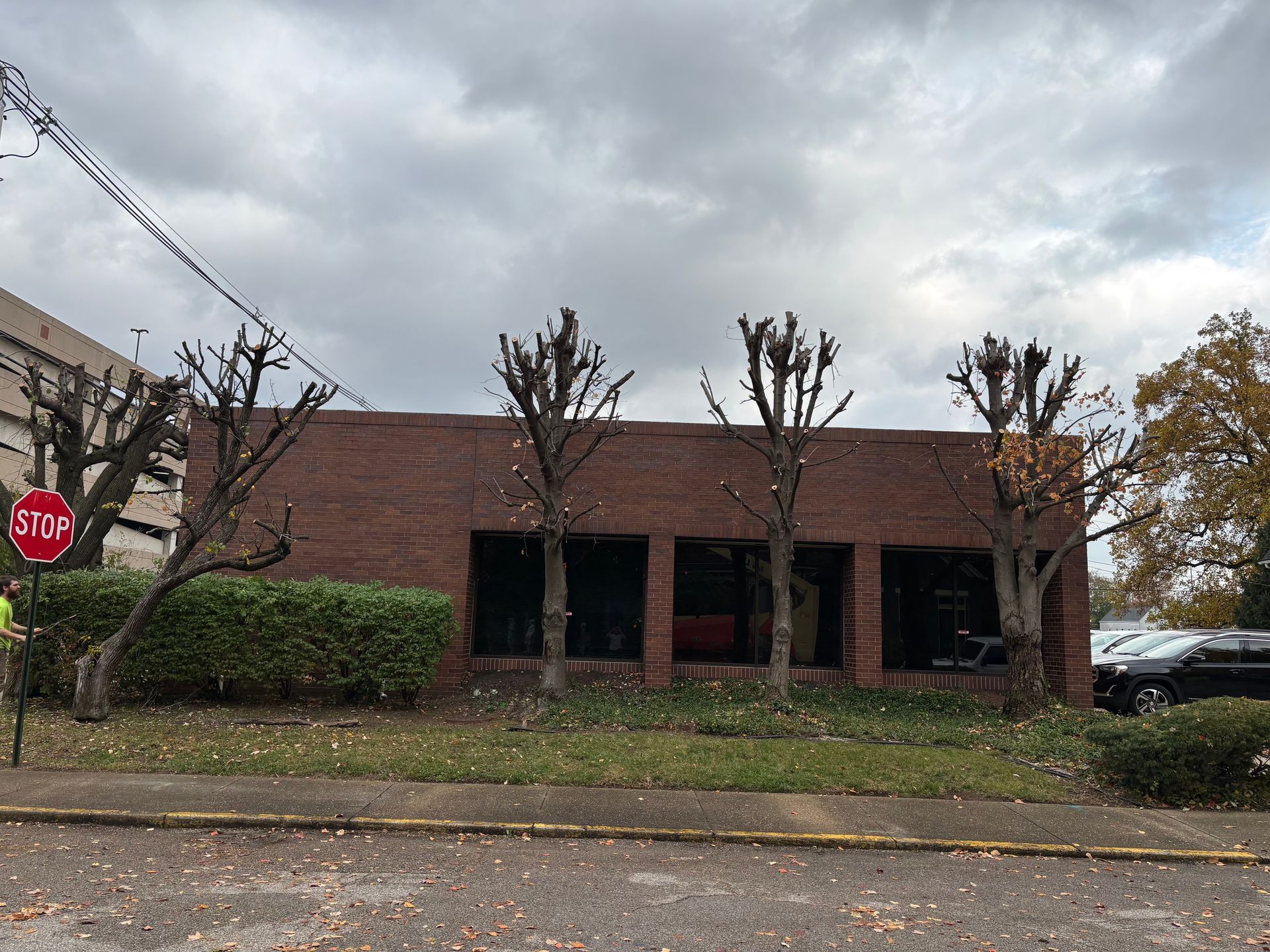
The difference shows up clearly once the work is finished: light reaches the understory where it was blocked before, the crown profile is visibly more open, and limbs no longer press against rooflines or drop debris onto structures. Latham's Tree Service LLC leaves no chip piles or brush on-site unless you've asked to keep material for mulch.
How much trimming a tree needs depends on how long it's been since the last work, what the crown structure looks like, and what clearances you're trying to achieve. Trees that have had no work in several years typically need more passes to correct accumulated crossing and deadwood than trees on a regular maintenance schedule.
Answers About How Tree Trimming Is Done
The following questions focus on the trimming process, how decisions are made during the work, and what to look for in finished results.
How does the crew determine which branches to remove versus which to keep?
Dead, crossing, and structurally weak branches are prioritized for removal. Branches with strong attachment angles and healthy wood that contribute to balanced crown distribution are left unless they conflict with a structure or utility you need cleared.
What does thinning the crown actually do for the tree?
Reducing interior branch density lowers overall wind resistance, which decreases the mechanical load on the trunk and primary limbs during high winds. It also allows more light to reach interior foliage, which improves the health of the remaining canopy.
How do you specify the clearances you need before work begins?
During the walk-through, you identify structures, utilities, and property line concerns. The crew marks or notes the specific clearance targets and confirms them before staging equipment, so cuts are made with your priorities in mind rather than a generic reduction standard.
What's the difference between a clean cut and one that leaves the tree vulnerable to decay?
Proper cuts are made just outside the branch collar—the slight ridge where branch wood meets trunk wood—without leaving a stub or cutting flush into the trunk. Stub cuts trap moisture and allow fungal entry; collar cuts allow the tree's natural wound response to seal the site.
How do trimming needs vary for mature hardwoods in Elberfeld versus younger trees?
Mature hardwoods typically carry more interior deadwood, heavier primary limbs, and longer histories of co-dominant stem development. That means more selective decision-making per limb compared to younger trees where crown structure is still actively forming and smaller cuts manage the shape effectively.
Latham's Tree Service LLC also performs tree trimming in Evansville, Newburgh, Haubstadt, Boonville, and Darmstadt. Call (812) 306-9696 to describe your canopy conditions and schedule a look at the specific limbs and clearances involved.